
HISTORY

Noblesville History

Laid out in 1823 and made the county seat a year later, Noblesville grew with the railroads and the 1888 gas boom, and much of that past is still standing.

Jump to questions
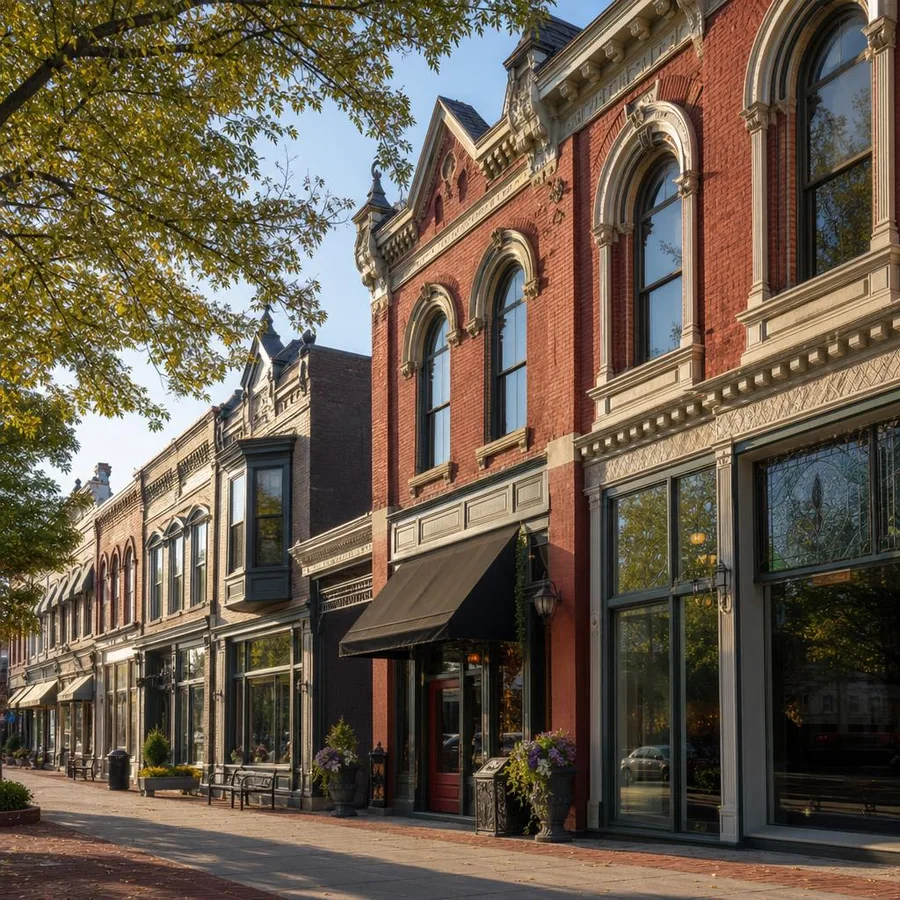
Historic brick buildings
At a glance

What Noblesville is known for

The places and things that make Noblesville what it is, each covered in more detail on this site.

  • Hamilton County seat since 1824. Laid out in 1823 by William Conner and Josiah Polk; county seat the next year. Read more
  • Old Sheriff's Residence and Jail. Now the Hamilton County Museum of History, on the courthouse square. Read more
  • Railroads and the gas boom. The railroad arrived in 1851, and the 1888 gas boom built much of downtown. Read more
  • Ruoff Music Center. The Indianapolis area's primary outdoor music venue, opened in 1989 and once called Deer Creek Music Center. Visit site ↗
  • The Noblesville Millers. The high school nickname dates to 1925 and the Noblesville Milling Company. Read more
  • The Square and the Hamilton County Courthouse. Shops and locally owned restaurants surround the courthouse downtown. Read more
  • Nickel Plate Express. A heritage railroad inside Forest Park that also manages the historic Hobbs Depot. Read more
  • Nickel Plate Railbikes. Four-seat pedal bikes that ride the rails. Read more
  • Potter's Bridge Park. Hamilton County's only remaining covered bridge, in a 126-acre park. Read more
  • Noblesville Boom. The Indiana Pacers' NBA G League affiliate, at Riverview Health Arena at Innovation Mile. Read more
  • White River paddling and tubing. Canoe, kayak and tubing trips run from a River Road livery. Read more
  • The White River and the Riverwalk. A paved loop links Forest Park and the Historic Courthouse Square. Read more
  • Forest Park and the Aquatic Center. The 150-acre park established in 1925, with a 50-meter pool. Read more
  • Morse Reservoir. The Levee Trail follows its east side from Morse Park & Beach. Read more
  • Finch Creek Park and the Fieldhouse. A 200-acre east-side park next to a 65,000-square-foot indoor sports building. Read more
  • Dillon Park and Hague Road Nature Haven. West-side fields, skate park and disc golf, plus 43 wooded acres on Cicero Creek. Read more
  • Midland Trace Trail. A rail-trail on the old Midland Central Railway corridor to Westfield. Read more
  • Seminary Park. A downtown park on the site of the city's first schoolhouse, built in 1844. Read more
  • Federal Hill Commons. A 6.5-acre park across the White River from Historic Downtown. Read more
  • Public golf. Forest Park Golf Course, Hamilton County's oldest, and 27-hole Fox Prairie. Read more
  • Youth sports. Volunteer-run leagues for baseball, softball, soccer, football, basketball and volleyball. Read more
History

The story of Noblesville

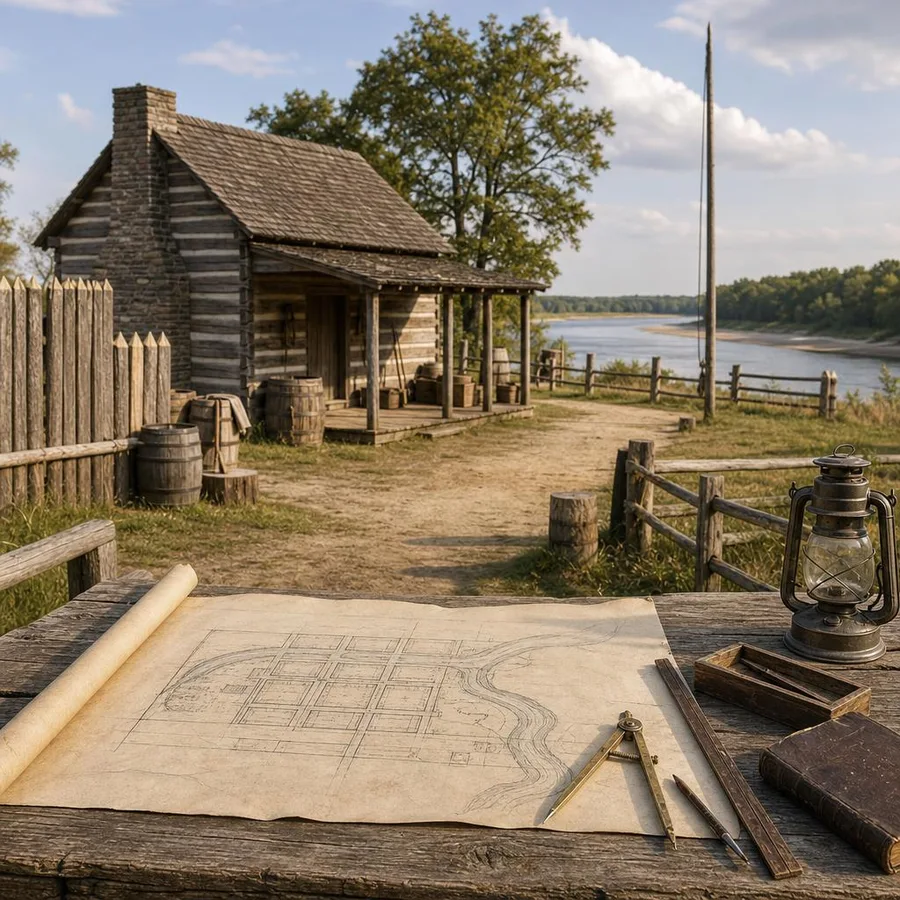
Noblesville's story begins with William Conner, the only settler in the area, and his wife Mekinges Conner, a Lenape woman, who set up the first trading post in central Indiana in 1802. After the government bought the land that became Hamilton County in 1818, William Conner and Josiah Polk laid out what is now downtown in 1823. The town became the county seat in 1824 and was incorporated in 1851.

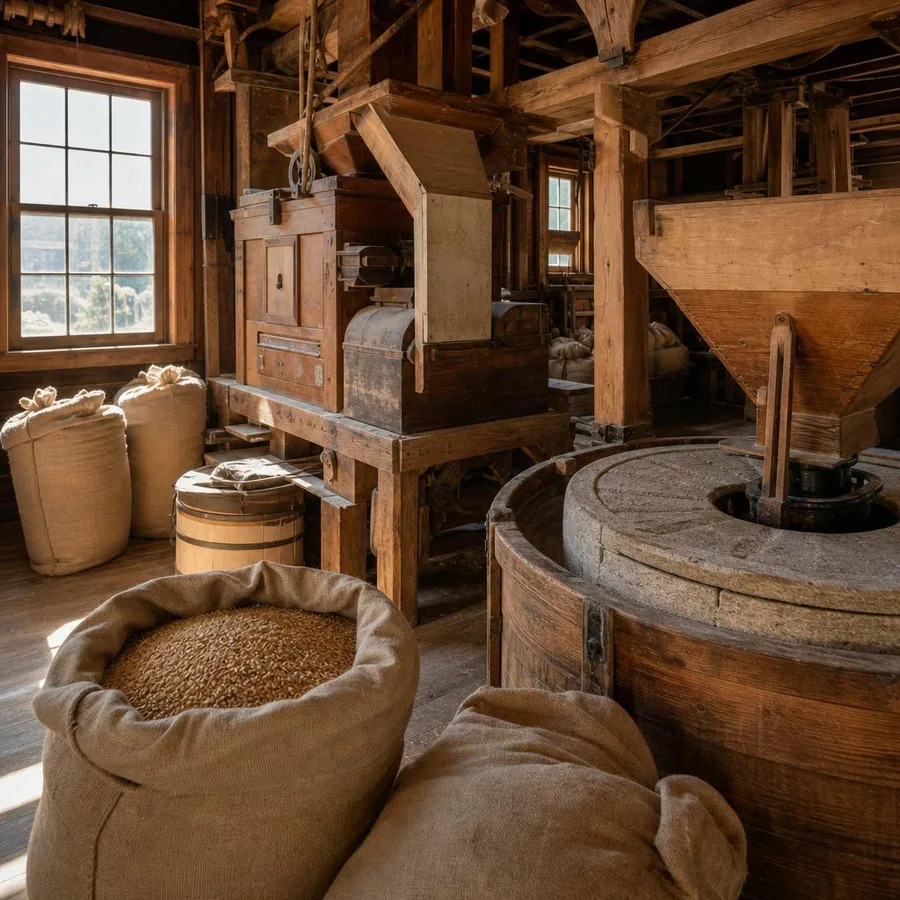
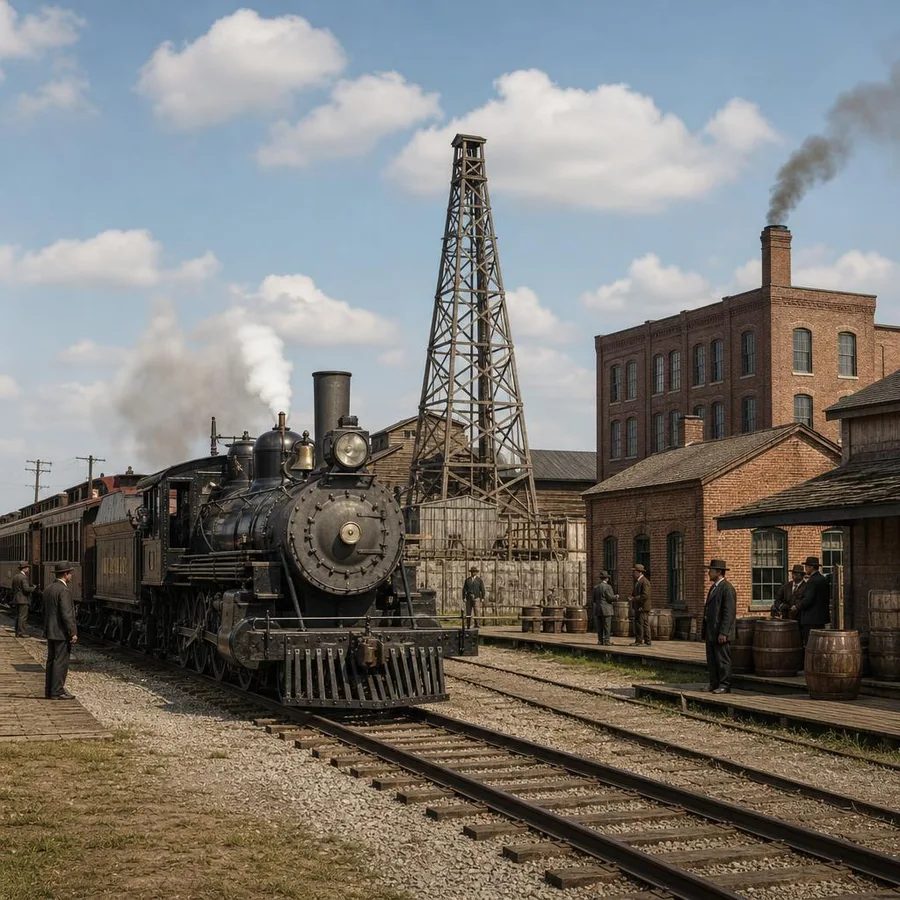
The railroad reached town in 1851, and the Indiana gas boom brought the city's first big growth after a natural gas well was found in 1888. Many Victorian homes and most of the downtown commercial district date from those prosperous years. Flour milling mattered too, and the Noblesville Milling Company is the reason the high school teams are still the Millers.

A lot of that past is still standing. Josiah Durfee built Potter's Bridge in 1870-1871, and it's now the only remaining covered bridge in Hamilton County. Seminary Park sits on the site of the city's first schoolhouse, built in 1844, and the Nickel Plate Heritage Railroad manages the historic Hobbs Depot inside Forest Park, a park established in 1925.

Today Noblesville is the county seat in the northern Indianapolis suburbs, and its population reached 69,604 at the 2020 census, up from 28,590 in 2000. The Noblesville Preservation Alliance, founded in 1987, works to protect the older buildings and neighborhoods.

Key dates

Noblesville timeline

Key moments in the town's story. Each is explained and sourced in the questions below.

  1. 1802William and Mekinges Conner set up the first trading post in central Indiana.
  2. 1818The government buys the land that becomes Hamilton County.
  3. 1823William Conner and Josiah Polk lay out what is now downtown Noblesville.
  4. 1824Noblesville becomes the Hamilton County seat.
  5. 1844The County Seminary, the city's first schoolhouse, is built on today's Seminary Park site.
  6. 1851The town is incorporated, and the Peru and Indianapolis Railroad is completed through town.
  7. 1870-1871Josiah Durfee builds Potter's Bridge.
  8. 1875Work begins on a second railroad, later known as the Midland.
  9. 1888Noblesville's first natural gas well starts the city's first big growth period.
  10. 1925Forest Park is established, and the high school adopts the nickname Millers.
  11. 1927Forest Park Golf Course is built.
  12. 1952Southside Park is established.
  13. 1969The Second Ward School closes after more than a century.
  14. 1970Fox Prairie Golf Course opens.
  15. 1983Seminary Park is established.
  16. 1986The river greenway trail along the White River is first proposed and designed.
  17. 1987The Noblesville Preservation Alliance is founded.
  18. 1989Ruoff Music Center opens.
  19. 1999Potter's Bridge is restored.
  20. 2001The White River Greenway opens.
  21. 2007Dr. James A. Dillon Park opens.
  22. 2017Federal Hill Commons opens, and the Nickel Plate Heritage Railroad is founded.
  23. 2020Finch Creek Park opens.
Local questions, useful answers

What people ask about history

Select a question to open the answer. Each one links to the organization that keeps the details current.

HistoryHow did Noblesville begin?

William Conner and Josiah Polk laid out what is now downtown Noblesville in 1823. It became the Hamilton County seat in 1824 and was incorporated in 1851.

The story starts earlier. In 1818 the government bought the land that is now Hamilton County from the Native Americans living here. William Conner, then the only settler in the area, and his wife Mekinges Conner, a Lenape woman, had set up the first trading post in central Indiana in 1802 and lived in the area's first log cabin.

Conner's 1823 home is now part of Conner Prairie Pioneer Settlement, a living history museum south of Noblesville in Fishers.

Learn More

Reviewed November 2026

HistoryWho was Noblesville named after?

Either James Noble, one of Indiana's first two U.S. senators, or, according to legend, Lavina Noble of Indianapolis, who was engaged to town founder Josiah Polk.

Learn More

Reviewed November 2026

HistoryWhat made Noblesville grow?

Railroads and natural gas. The Peru and Indianapolis Railroad reached town in 1851, and the city's first big growth came with the gas boom after its first gas well in 1888.

Many Victorian homes and most of the downtown commercial district were built during the gas boom. Work on a second railroad, the Anderson, Lebanon and St. Louis, later known as the Midland, began in 1875.

The first gas well was found near 11th and Pleasant streets. Noblesville was also known for its flour mills, the most widely known being the Noblesville Milling Company, which made Diadem and Kismet flours.

Learn More
City of NoblesvilleMidland Trace Trail

Reviewed November 2026

HistoryWhy are Noblesville's high school teams called the Millers?

In 1925 the manager of the Noblesville Milling Company offered to buy uniforms for the high school athletic team if the school took the nickname "Millers." The name has stuck ever since.

Learn More

Reviewed November 2026

HistoryWhat is in the old Sheriff's Residence and Jail on the Square?

The old Hamilton County Sheriff's Residence and Jail, on the southwest corner of the courthouse square, is now home to the Hamilton County Museum of History.

It sits right on the Square, so it's easy to pair with shopping and lunch downtown.

Learn More

Reviewed November 2026

HistoryWhat was Seminary Park before it was a park?

The site held the County Seminary, the city's first schoolhouse, built in 1844, and later the Second Ward School, which taught students until 1969. The park was established in 1983.

Seminary Park was renovated in 2019 with lighted pathways, a new gazebo, benches and flower beds. It's at 350 S. 10th Street downtown.

Learn More
City of NoblesvilleSeminary Park

Reviewed November 2026

HistoryWhat's left of Noblesville's railroad history?

Plenty. The Nickel Plate Heritage Railroad manages the historic Hobbs Depot in Forest Park, the Midland Trace Trail follows the old Midland Central Railway, and Riverwalk Depot Pocket Park sits near the former Nickel Plate Railroad.

Riverwalk Depot Pocket Park opened in 2015 on what had been a blighted corner. Its train sculpture, 9 feet tall and 12 feet long, honors the site's railroad history and doubles as a bike rack.

The Nickel Plate Heritage Railroad, founded in 2017, also manages a 150-year-old depot along the former Nickel Plate Road in Arcadia.

Reviewed November 2026

HistoryWhen did the White River Greenway open?

Planning and design for the river greenway trail began in 1986, and it finally opened in 2001, after a sixteen-year effort by the people of Noblesville.

Today it connects Forest Park with downtown and with Potter's Bridge Park.

Learn More

Reviewed November 2026

Spot something wrong or out of date? Let us know and we will check it against the source.